Reliable Power Services in DeRidder
Need a reputable DeRidder electrician? Choose a licensed local expert who knows Beauregard Parish amendments, utility interconnections, and inspection workflows. We deliver precise diagnostics, NEC 220 panel upgrades, proper grounding/bonding, GFCI/AFCI protection, and documented torque settings. We respond to emergencies quickly, de-energize safely, stabilize loads, and supply clear get more info next steps with transparent, line-item pricing. Expect calibrated instruments, permits pulled, labeled panels, and recorded test results. Smart lighting, thermostats, surge protection, and submetering are commissioned to spec—here's how we make certain it.
Main Points
- Licensed electricians in the area provide NEC compliance with Beauregard Parish amendments, efficient permit procedures, and hassle-free utility inspections.
- Swift emergency response with well-stocked vans, PPE, lockout/tagout, and on-site stabilization to reestablish safe power quickly.
- Professional diagnostic services and repair solutions: thermal imaging scans, load analysis and calculations, arc and ground-fault repairs, damaged conductor repairs, and terminations verified by torque.
- Enhancement and maintenance services: NEC 220 panel capacity sizing, grounding and bonding verification, GFCI/AFCI safety protection, surge suppression protection, and fully documented test results.
- Transparent pricing with line-item estimates, permit fees, well-defined scope, change-order protocols, warranties, and labeled panels with updated as-builts.
Why Local Licensed Electrical Professionals Are Important in DeRidder
Prior to scheduling any repair work, selecting a local, licensed electrician in DeRidder secures your home and keeps work code-compliant. You get a expert who is familiar with Beauregard Parish amendments, utility interconnection requirements, and inspection workflows. Local credentials verify load calculations, conductor sizing, grounding and bonding, GFCI/AFCI placement, and service clearances are executed to standard. You also receive community trust—repeat clients validate workmanship and responsiveness.
Having a local license simplifies permit processing and inspection scheduling, resulting in more rapid permits and less plan revisions. A close-by electrician records equipment ratings, short-circuit current, and panel labeling, so inspectors examine compliant details the first time. They'll source code-listed materials suited to local conditions and validate required working spaces, labeling, and disconnect accessibility. This diligence lowers risk, prevents violations, and maintains insurance eligibility.
Primary Services: Repairs, Upgrades, and Preventive Maintenance
Address electrical needs with a clear plan: specific repairs, standards-based upgrades, and scheduled routine maintenance that keep your DeRidder property safe and reliable. You get diagnostics first: thermal scans, load calculations, and continuity testing-that isolate faults without guesswork. Repairs handle arc-faults, ground-faults, damaged conductors, and loose terminations, with documented torque settings and UL-listed materials.
Schedule Panel upgrades when demand surpasses capacity or breakers nuisance-trip; we size services according to NEC 220, confirm grounding and bonding, and label circuits for clarity. Outlet troubleshooting covers dead receptacles, reversed polarity, shared-neutral problems, and GFCI/AFCI protection, brought to current code.
For preventive maintenance, we tighten lugs to spec, megger-test insulation, verify breaker trip curves, and inspect surge protection. This reduces downtime, extends equipment life, and maintains compliance.
Critical Emergency Response: What Happens When Every Moment Counts
When you face an electrical emergency, you get a rapid, code-compliant response focused on containing hazards and restoring power safely. You'll communicate with dispatch, who performs quick triage: isolate the fault, assess loads, and identify life-safety risks. Mobile teams deploy with fully-equipped vans, PPE, lockout/tagout gear, and test instruments to locate shorts, failed breakers, or damaged conductors.
Upon reaching the site, technicians make the area safe, de-energize involved circuits, and check for absence of voltage before commencing service. They implement temporary fixes-safe shunts, breaker replacements, GFCI swaps, or load redistribution—to reestablish essential service. Critical facilities receive preferred scheduling to reduce downtime. You'll get clear next steps, including parts sourcing and timelines for permanent repairs. Crews record findings, label hazards, and leave systems secured for follow-up service.
Quality Markers: Code Compliance, Safety Measures, and Honest Pricing
Even though speed is important, you should evaluate an electrician by measurable quality indicators: rigorous safety practices, stringent code compliance, and transparent pricing. You need documented safety audits, lockout/tagout procedures, calibrated test instruments, and PPE usage on every task. Confirm permits are pulled when needed, inspections are scheduled, and installations adhere to NEC articles, local amendments, and manufacturer listings. Require load calculations, arc-fault and ground-fault protection where required, and proper bonding and grounding.
Demand transparent estimates with line-item labor, materials, permit fees, and contingency clearly stated. You should receive project scope details, change-order protocols, and warranty terms in writing. Expect labeled panels, updated as-builts, and test results recorded for continuity, insulation resistance, and GFCI/AFCI functionality. Select professionals who document findings, remediate deficiencies, and certify code compliance.
Smart Home Automation and Energy-Saving Features for Contemporary Homes
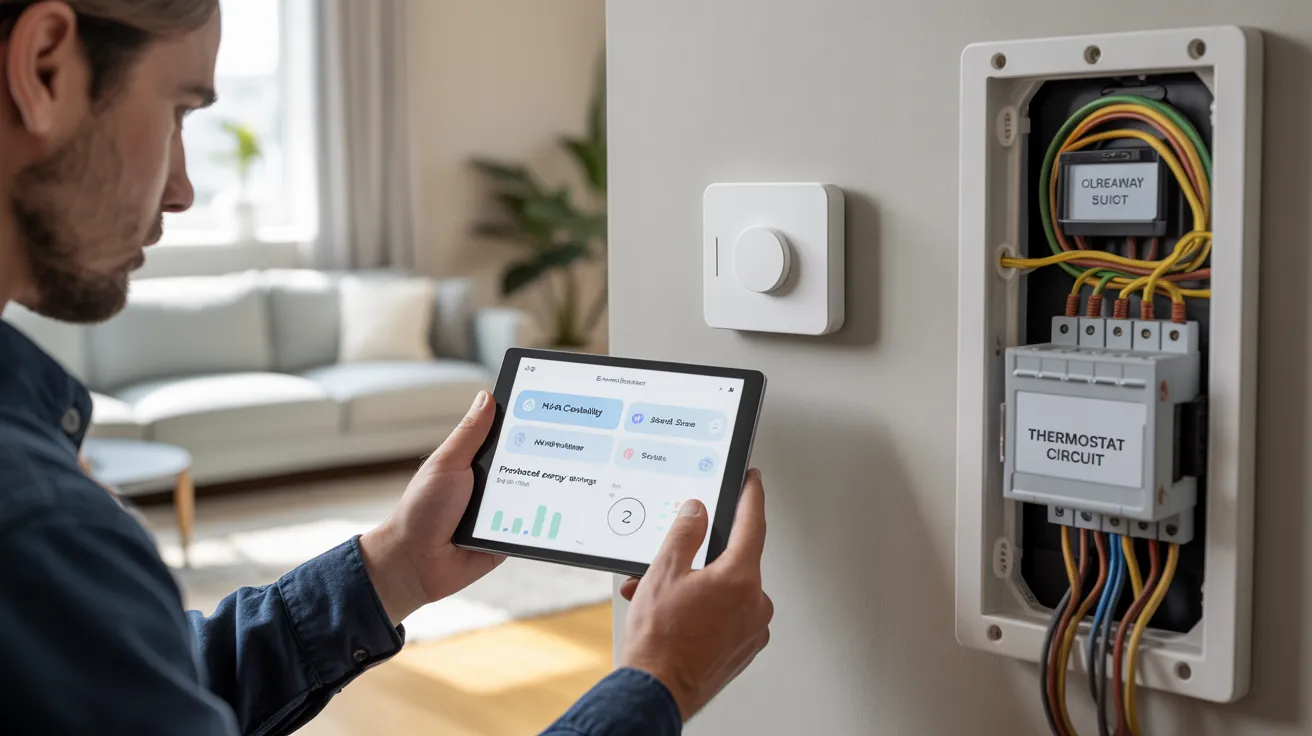
Because modern electrical systems can achieve more with less energy, you should incorporate smart controls and high‑efficiency devices that meet code and improve safety. Initiate with Smart thermostat integration to optimize HVAC loads, confirm proper low‑voltage wiring, and configure schedules, setbacks, and geofencing. Select models compliant with your equipment and AFCI/GFCI protected circuits where mandated. Plan LED lighting retrofits with listed luminaires, correct driver compatibility, and dimmers specified for LED loads to avoid flicker and overheating.
Implement smart panels or submetering to observe branch‑circuit consumption and detect peak demand. Implement occupancy sensors, daylight harvesting, and time‑clock control per NEC and local energy codes. Install surge protection, isolate networks on secure VLANs, and preserve grounded, labeled enclosures. Initialize everything, document settings, and test fault protection.
Popular Questions
Do You Offer Warranties on Labor and Installed Parts?
Yes-you receive documented Labor warranties and Parts guarantees. We ensure workmanship to NEC standards, with established coverage periods and response times. Installed parts carry manufacturer warranties; we document products, verify UL listings, and comply with torque specs and arc-fault/GFCI requirements. You obtain written terms outlining exclusions (improper use, non-code alterations), maintenance obligations, and claim procedures. If a failure occurs within coverage, we evaluate, correct, or replace to restore safe, code-compliant operation at no additional labor cost.
Can You Supply References From Recent Deridder Projects?
Yes. You can ask for client testimonials and code-compliant Project summaries from recent DeRidder installations. We'll share contactable references, scope, NEC articles applied, permit numbers, inspection outcomes, and commissioning checklists. You'll see load calculations, arc-fault/GFCI protection details, bonding/grounding methods, and panel schedules. For privacy, we redact addresses and share references after client consent. Tell us your project type-home service upgrade, generator interlock, or commercial retrofit-and we'll provide matched, safety-verified examples.
What Financing Options or Payment Plans Can Be Used for Larger Jobs?
You may select delayed payment options, staged by inspection milestones, or contractor loans approved through licensed lenders. We'll structure progress invoices after permit approvals, rough-in, and final punch-out, ensuring NEC-compliant, safety-first execution. You may utilize zero-interest promos, ACH, or card, with lien waivers issued per draw. We will rapidly pre-qualify you, verify scope, and cap APRs. No work proceeds without signed change orders, bonded coverage, and clear payoff schedules to secure your home and budget.
How Do You Handle Scheduling Around Occupied Homes or Businesses?
You receive priority scheduling with Adaptable timing, phased work, and clear coordination. We assess occupancy patterns, isolate work zones, and implement Low-impact procedures: low-noise tools, dust control, and cord management. You'll observe lockout/tagout, GFCI protection, and temporary barriers per NEC and OSHA. We schedule in advance outages, provide notice windows, and stage materials offsite to reduce dwell time. You approve a sequenced schedule, and we document permits, inspections, and daily safety checklists.
Do Background Checks and Drug Screenings Apply to Technicians?
Yes, every technician must pass comprehensive background checks and drug screenings. Just as lockout/tagout ensures safety, you get vetted pros who meet NFPA 70 and OSHA requirements. We validate identities, employment, certifications, and driving records, then conduct pre-employment and randomized drug tests. You can expect clean records, sound judgment, and compliant workmanship. If a result flags, access is withdrawn and remediation takes place. Your site stays secure, documented, and inspection-ready from day one.
In Conclusion
You can depend on licensed DeRidder electricians to provide code-compliant repair services, upgrades, and preventative maintenance that ensure your home safe and efficient. When every second matters, you'll get rapid diagnostics, safe isolation, and NEC-aligned corrections. Look for transparent pricing, permits, and inspection-ready workmanship. Adopt smart controls and LED retrofits—ENERGY STAR shows LEDs use up to 90% less energy than incandescents. This reduces load, minimize heat at connections, and increase equipment life while ensuring NFPA 70 and local code compliance.